Water Security:
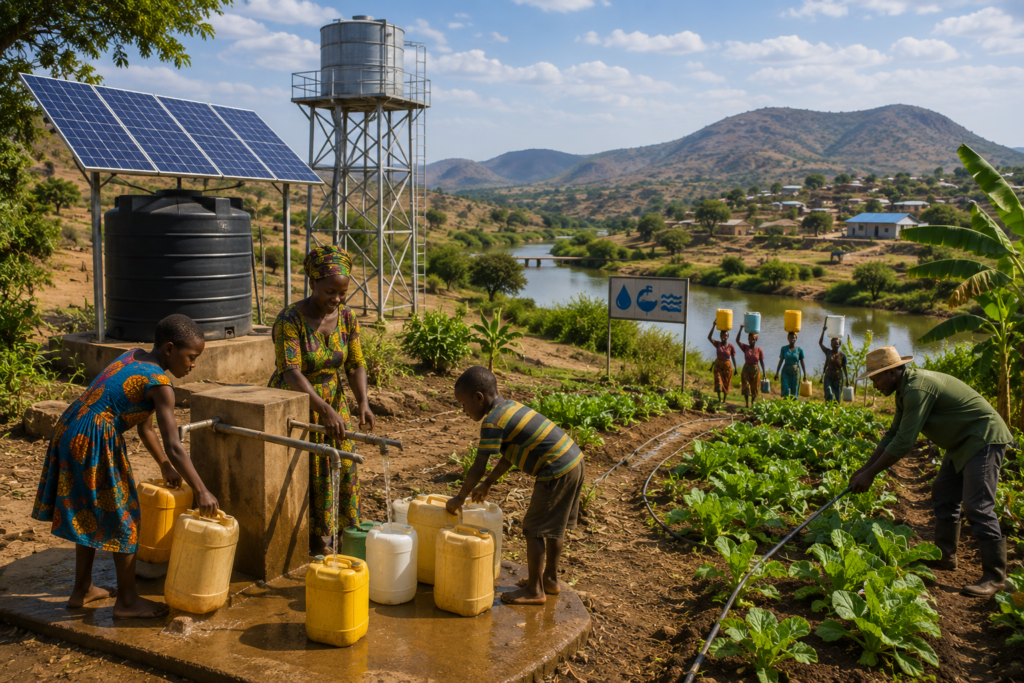
Water security is one of the greatest sustainability challenges of our time. As climate change, population growth, pollution, and increasing water demand place greater pressure on freshwater resources, sustainable water management becomes essential for protecting human well-being, supporting economic development, conserving ecosystems, and strengthening climate resilience.
Every community depends upon secure water supplies, whether for drinking, food production, energy generation, healthcare, education, or environmental protection. Building water security therefore requires more than expanding infrastructure—it requires integrated planning, responsible governance, technological innovation, community engagement, and long-term stewardship.
Finally, investing in water security is an investment in sustainable development itself. Communities that manage water wisely today will be better prepared to face the environmental, economic, and social challenges of tomorrow.
Understanding Heatwaves, Droughts and Compound Climate Hazards
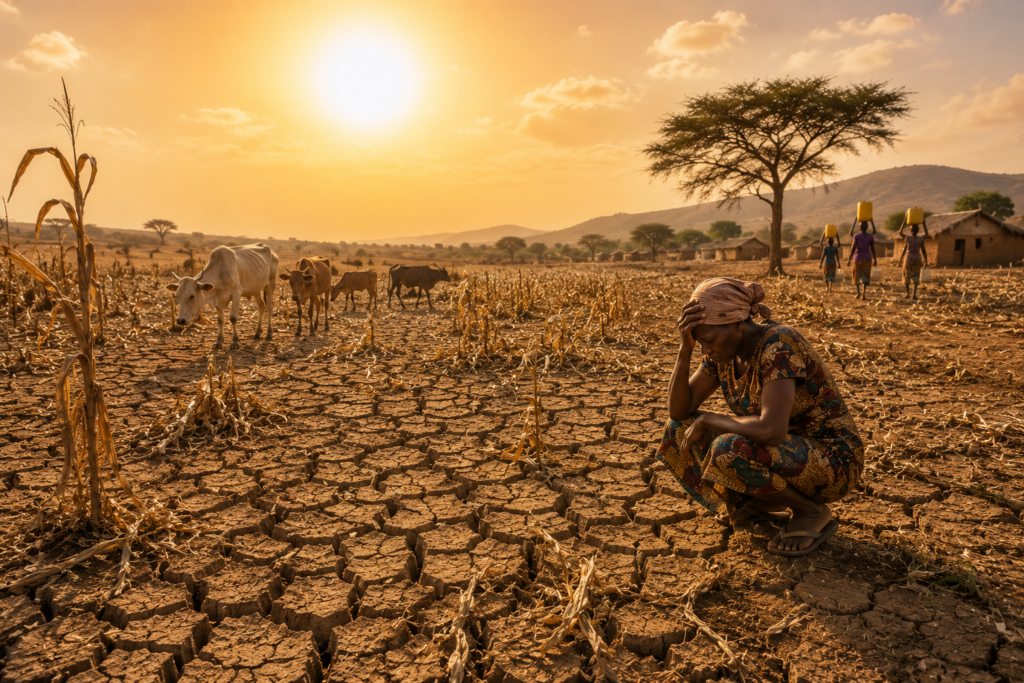
Heatwaves, droughts, and compound climate hazards illustrate the interconnected nature of Earth’s environmental systems. Climate change is increasing the likelihood that multiple hazards will occur together, producing cascading impacts across agriculture, water resources, public health, energy systems, infrastructure, ecosystems, and economies.
Addressing these emerging risks requires moving beyond traditional single-hazard approaches toward integrated climate risk management. Advances in Earth observation, artificial intelligence, systems modeling, and convergence science provide new opportunities to understand these complex interactions and improve decision-making.
Ultimately, building resilience against compound climate hazards depends not only on better science but also on stronger institutions, sustainable resource management, informed communities, and coordinated action across sectors. By recognizing the interconnected nature of climate risks today, societies can better prepare for a safer, more resilient future.
Understanding Agrivoltaics:
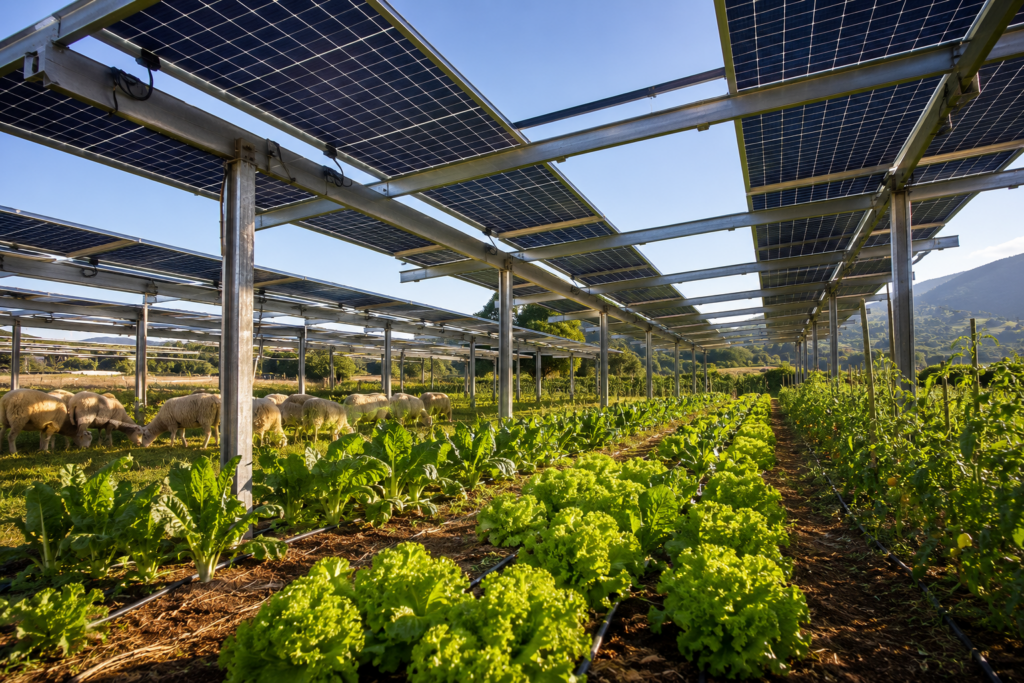
Agrivoltaics represents a transformative approach to sustainable land management by demonstrating that agriculture and renewable energy need not compete for space. Instead, they can complement one another to improve land productivity, conserve water, strengthen food security, generate clean electricity, support biodiversity, and enhance climate resilience.
As countries seek innovative solutions to address the interconnected challenges of climate change, energy transition, and sustainable food production, agrivoltaics offers a practical example of integrated thinking in action. By producing food and clean energy together on the same land, agrivoltaics is helping shape a future where environmental sustainability, economic prosperity, and resilient communities can grow side by side.